
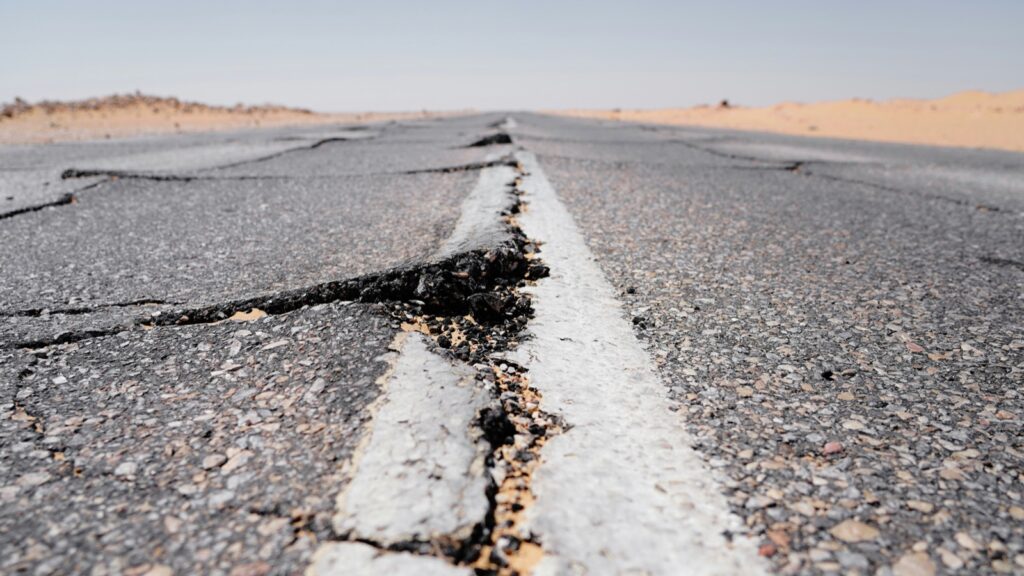
Short answer: Seven organizations (from major international relief agencies to a national food bank network and a homegrown, artist-backed fund) are actively responding to the 2026 earthquakes in Colombia and Venezuela. Each is listed below with what they’re doing and a direct link to donate.
What happened
On the morning of August 10, 2026, a magnitude 7.4 earthquake struck western Colombia, with its epicenter near San José del Palmar in the department of Chocó. It’s the strongest earthquake to hit the country in more than a decade. Tremors were felt as far away as Bogotá, and as of this writing at least 111 people have died, hundreds of buildings have been damaged, and many remain trapped under debris (NPR; AP News). In Cali, the country’s third-largest city, search teams and civilians have been picking through the remains of destroyed buildings, passing pieces of concrete and rubble down long lines of volunteers as they search for survivors. Other affected areas include Chocó, Pereira, and Manizales.
The quake struck a region that hadn’t yet recovered from its last one. On June 24, 2026, twin earthquakes (a magnitude 7.2 foreshock near Yumare followed 39 seconds later by a magnitude 7.5 mainshock near Morón) devastated Venezuela’s Yaracuy state and rattled Caracas and La Guaira. Project HOPE reports more than 6,000 deaths, over 16,700 injuries, and roughly 6.8 million people affected, with nearly 60,000 buildings damaged and nationwide health infrastructure still strained (Project HOPE; Wikipedia). Recovery there was still underway when Colombia was hit.
For anyone looking for a place to direct support this week, here are seven organizations already on the ground or actively responding across both countries, along with what each is doing and how to help.
| Organization | Focus | Country | Donate |
|---|---|---|---|
| Global Empowerment Mission | Emergency supplies, logistics, family kits | Colombia & Venezuela | Donate |
| World Central Kitchen | Emergency meals | Colombia | Donate |
| Direct Relief | Medical supplies & health aid | Colombia & Venezuela | Donate |
| Catholic Relief Services | Shelter, water, food, protection | Colombia | Donate |
| Project HOPE | Mobile medical care, health system support | Colombia & Venezuela | Donate |
| ABACO (Colombia Food Banks) | Emergency food & hygiene supplies via humanitarian corridor | Colombia | Donate |
| Colombia Se Levanta | Grassroots family aid, water distribution | Colombia | Donate |
Global Empowerment Mission
Global Empowerment Mission (GEM) is a Doral, Florida-based disaster relief organization whose stated mission is to deliver aid to the most people in the shortest time at the lowest cost. GEM has deployed teams to Colombia and, as of this writing, lists its Colombia earthquake mission as active and in Phase 1 of its immediate response, working alongside partner organization Motorrad Angels. The organization isn’t new to the country. It previously supported first responders in Colombia after the major wildfires in January 2024.
GEM is also still deep in its Venezuela earthquake response from June, one of the largest private humanitarian operations in the country’s history, run in partnership with the I Love Venezuela Foundation and the U.S. State Department.
How to help: Donate through GEM’s Colombia earthquake mission page or Venezuela earthquake mission page, both of which also list volunteering and in-kind supply options.
World Central Kitchen
World Central Kitchen (WCK), the organization founded by chef José Andrés, is on the ground providing emergency meals to communities affected by the Colombia earthquake, including in Chocó, Cali, Pereira, and Manizales. WCK already has relationships in Colombia through local partners like Fundación Gastronomía Social, and members of its Chef Relief Network (including Colombian chef Harry Sasson) have supported past disaster responses in the country, including flooding earlier this year.
As is typical for WCK, the operation is standing up quickly and details are still developing, but the organization’s model of getting hot meals to survivors and first responders within days of a disaster is well established.
How to help: Donate through WCK’s site, or follow their social channels for real-time updates from the response teams.
Direct Relief
Direct Relief is focused on the medical side of both responses, mobilizing emergency health supplies to the Colombia earthquake zone (wound care materials, surgical supplies, antibiotics, and field medic packs for search-and-rescue teams) while continuing to ship medical aid into Venezuela, including shipments prepared for Fundación Wayuu Taya in the country’s north. Direct Relief has a long history in the region, having provided more than $27 million in medical aid to Colombian health organizations since 2015, and states that 100% of Venezuela-designated donations go directly to that response.
How to help: Give through Direct Relief’s Colombia earthquake page or Venezuela earthquakes page.
Catholic Relief Services
Catholic Relief Services (CRS) is responding to immediate needs for safe shelter, clean water, food, medical care, and protection services for Colombian families left without homes. CRS is working through Caritas Colombia, leveraging its nationwide network of dioceses and parishes to identify and reach vulnerable communities quickly across the affected areas.
How to help: Donate through CRS’s Colombia earthquake page, which also offers monthly giving and donor-advised fund options. Donations are tax-deductible (EIN 13-5563422).
Project HOPE
Project HOPE has deployed a team to assess needs following the Colombia earthquake, layering that response onto programs it already runs in the country. The scale of underlying need was already significant before this quake: Project HOPE estimates 6.9 million people in Colombia require humanitarian assistance, with 1.2 million in acute need, and roughly 2.8 million Venezuelan migrants in the country already face gaps in healthcare access. The organization has run maternal health and primary care programs in Colombia since 2019, including in Cúcuta and Villa del Rosario, giving it existing clinical infrastructure to draw on.
Project HOPE is simultaneously deep in its Venezuela earthquake response, where it deployed more than 100 local staff within hours of the June quakes to run mobile medical units, distribute medicine and water-purification supplies, and provide psychological first aid, critical given that a rapid assessment found 64% of surveyed health facilities there had suspended services.
How to help: Donate at Project HOPE’s Colombia page or Venezuela donation page, or set up a personal fundraiser to support either effort.
ABACO (Asociación de Bancos de Alimentos de Colombia)
ABACO, Colombia’s national association of food banks and a member of the Global FoodBanking Network, has activated a humanitarian corridor in response to the earthquake, working through its network of 26 food banks across the country. The organization normally rescues more than 54,000 tons of food a year to benefit 1.4 million people, and has redirected that infrastructure toward the earthquake response, prioritizing official shelters, families staying in borrowed housing, and vulnerable communities near the epicenter. It’s collecting both food (water, rice, oil, pasta, canned goods) and hygiene items (soap, diapers, sanitary pads, blankets) at donation points in Bogotá, Manizales, Armenia, Bucaramanga, Ibagué, and Medellín, with temporary sites standing in for its damaged Pereira and Buenaventura locations.
How to help: Donate online at donahoy.abaco.org.co/colombia2026, or contribute via bank transfer (Bre-B code: 0090989753). Large in-kind donations can be coordinated at donacioneslogistica@abaco.org.co.
Colombia Se Levanta
Colombia Se Levanta (“Colombia Rises”) is a homegrown relief fund that’s gained visibility after Colombian artists (including J Balvin, Karol G, Maluma, Ryan Castro, and Manuel Turizo) shared it with fans as the place to give directly to families affected by the quake. The fund is run through Presentes Corporación (also known as Antioquia Presente) and is being used for on-the-ground needs like water distribution to affected communities.
How to help: Donate at presentes.co/dona. U.S.-based donors can give through partner organization Give to Colombia and receive U.S. tax documentation.
A note on giving well
In the first days after a disaster, cash donations to established relief organizations go further than shipped goods. They let responders buy exactly what’s needed locally and avoid the logistical bottlenecks that donated supplies can create. The organizations above range from large international agencies with deep pre-existing infrastructure in Colombia and Venezuela to a smaller, local fund moving quickly on grassroots donations. All are legitimate ways to get help to affected families fast. As always, it’s worth checking back on each organization’s site in the coming days, since needs and response plans are evolving quickly.
Manage your Google Ad Grant on autopilot
Ad Grants Pilot handles compliance, campaign optimization, and reporting so you can focus on your mission. Request a free demo →
Sources: NPR, AP News, Global Empowerment Mission (Colombia), Global Empowerment Mission (Venezuela), World Central Kitchen, Direct Relief (Colombia), Direct Relief (Venezuela), Catholic Relief Services, Project HOPE (Colombia), Project HOPE (Venezuela), ABACO, HSB Noticias (ABACO corredor humanitario), Colombia Se Levanta / Presentes Corporación, Rolling Stone, 2026 Venezuela earthquakes (Wikipedia).
About the author
Alicia Cepeda Maule is Founder and COO of Ad Grants Pilot, where she leads enterprise sales and communications. She brings 15 years of award-winning digital leadership, including roles with President Obama’s 2012 presidential campaign, MSNBC.com, and the Innocence Project, where as the organization’s first Digital Engagement Director she built a 10+ award-winning digital program and led campaigns that helped stop the executions of innocent people. She is also founder of Givepact, a VC-backed crypto donation platform, a graduate of Brown University, and a 2020 Center for Urban Professionals Fellow.
